
What Wind Speed Is Too High to Fly a Drone?
Understanding safe wind limits for drone flying - from consumer drones to professional models, and how to check conditions before you take off.
Wind is the single biggest factor affecting whether a drone flight is safe - yet most pilots rely on ground-level forecasts that don't reflect what the drone will actually experience at altitude. Understanding wind limits properly can be the difference between a smooth flight and a lost or crashed drone.
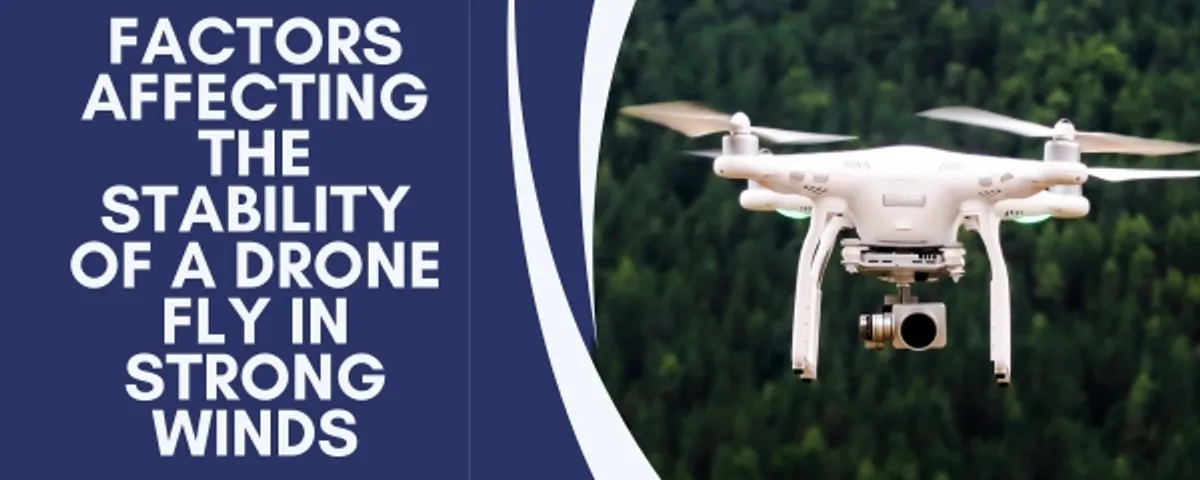
The general rule of thumb
There is no single wind-speed limit that is safe for every drone or flight. Manufacturers publish wind-resistance figures for particular models, but these are not a recommended operating target or a guarantee of control in every situation. Check the manual for your aircraft, and account for gusts, wind direction, payload, battery, temperature, pilot experience, and the route home. Flying close to a published limit leaves less margin for changing conditions.
Use these descriptions as planning prompts, not universal safe/unsafe thresholds:
- Light winds: May be easier to manage, but still check gusts, local turbulence, and the aircraft's manual.
- Increasing or gusty winds: Reduce your safety margin; consider postponing, shortening the flight, or choosing a sheltered location.
- Near or beyond your aircraft's published limit: Do not treat a generic threshold as permission to fly. Conditions and model-specific limits matter.
Why ground wind speed isn't enough
Wind can differ substantially between the takeoff point and flight height, but the difference varies with terrain, buildings, vegetation, and weather. Exposed areas, coastlines, and terrain edges can also produce turbulence. Ground observations alone may not describe conditions aloft.
Gusts matter more than average wind speed. A forecast of 12 mph with gusts to 22 mph is a very different proposition to a steady 12 mph. Gusts are short, sharp increases in wind speed that can catch a drone off guard and push it rapidly off course.
How to check wind conditions properly
Standard weather apps give surface wind data, which is better than nothing but not tailored to drone flying. A proper drone weather check should include:
- Wind speed and direction at multiple altitudes (ground, 50m, 100m)
- Gust speed - not just average wind
- Wind direction changes throughout the flight window
- Precipitation risk that could follow wind changes
Drone Companion's drone weather feature shows forecast wind, gusts, direction, and estimated winds aloft for flight planning, with an assessment against the selected aircraft's wind rating. Forecasts and winds aloft are estimates, and an assessment cannot guarantee safe conditions on site.
Warning signs during flight
Even if conditions look acceptable before takeoff, monitor these during flight:
- Faster than expected battery drain: The drone is fighting wind to hold position, consuming extra power.
- Sluggish response to controls: Wind is overpowering the aircraft's corrections.
- Attitude indicator showing consistent tilt: The drone is leaning heavily into wind to maintain position.
- Drifting on hover: Wind is exceeding the drone's ability to hold a stable position.
If you notice any of these, bring the drone back and land. Conditions can change quickly, and it's always better to cut a flight short than to lose the aircraft.
The bottom line
There is no universal comfortable ceiling or absolute maximum. Check the specific aircraft's published limits and current conditions, including gusts and wind at the height and direction of your planned flight. Reassess on site and do not fly if conditions leave you without a safe margin.